Physician examination ruled out people with active psychosis or brain impairment, as well as physical conditions contraindicated for the medication. One of the main issues with this approach is that it does not address the underlying issue that is causing the negative emotions in the first place. This can lead to a cycle of abuse as you continue to experience negative https://lacontracara.com/index.php/2025/01/30/does-fibromyalgia-cause-neuropathy-pain/ emotions without addressing the root cause.

Age-related differences in the effect of chronic alcohol on cognition and the brain: a systematic review
Weighted mean heritabilities for addictions computed from large twin cohorts range from 0.39 for hallucinogens to 0.72 for cocaine, indicating a significant genetic influence on the development of addictive disorders. However, genetic complexity Alcoholics Anonymous in addiction disorders arises from factors like incomplete penetrance, phenocopies, variable expressivity, gene-environment interactions, genetic heterogeneity, polygenicity, and epistasis. This means that combinations of genetic variants and different genetic factors can contribute to the same phenotype in different individuals.
Why People Drink Alcohol as a Coping Mechanism
- This physiological dependency creates a vicious cycle where drinking becomes a maladaptive coping mechanism, further entrenching both disorders.
- For individuals with this condition, alcohol can serve as a temporary escape from emotional turmoil, but its effects are paradoxical—it exacerbates the very instability it aims to soothe.
- This scenario illustrates how PTSD symptoms drive alcohol misuse, with studies showing that up to 75% of individuals with PTSD also struggle with alcohol abuse.
- It’s best to avoid alcohol and seek evidence-based treatments like therapy, medication, or lifestyle changes.
- This behavior can offer a fleeting sense of control and relief but often results in increased emotional turmoil and can lead to dangerous physical injuries (Zetterqvist, 2015).
Accordingly, medications affecting those systems (e.g., SSRIs and opioid antagonists) may play a significant role in minimizing the risk of relapse after stressful events. Other anxiety-reducing therapeutic agents that act on the same systems, such as benzodiazepines, have abuse potential themselves, making their use in people with AOD use disorders risky. Another study followed a large group of alcoholics, opiate users, and cigarette smokers in early abstinence to investigate the effects of acute stress and commitment to abstinence on relapse (Hall et al. 1990). The commitment to abstinence was measured using a scale that allowed the participants to choose between six different treatment goals, ranging from abstinence to no change in use. The researchers found that commitment to abstinence was the strongest predictor of abstinence during the followup period. This observation suggests that stress may not actually lead to relapse; instead, the relapse may have resulted in increased stress and the subjects may have used the attribution of stress as causing the relapse as a way to make sense of the relapse.
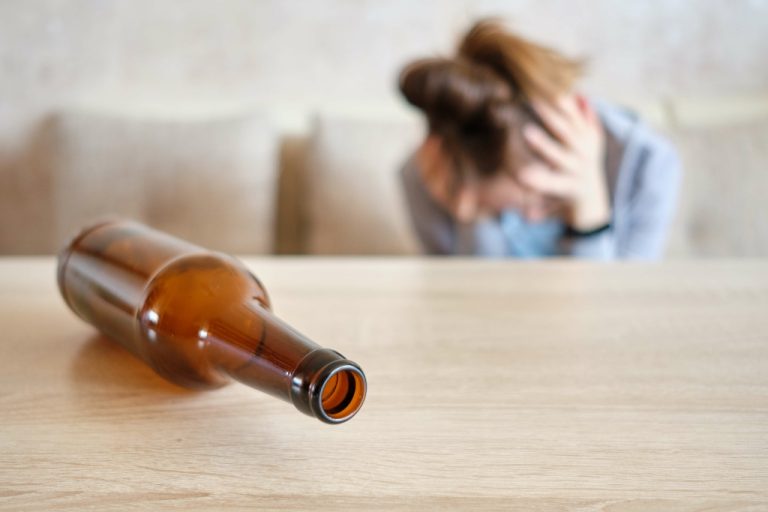
Emotional Drinking: Are You Using Alcohol to Feel Better?

It is difficult, however, to separate the effects of such specific stress-reduction techniques from the effects of other effective treatment components. Nevertheless, studies indicate that treatment techniques that foster coping skills, problem-solving skills, and social support play a pivotal role in successful treatment. If you ask your peers, more than one of them turns to alcohol as a coping mechanism when they feel anxious or stressed. While most people see this as something harmless, alcohol dependence can often arise from alcohol as a coping mechanism.
Neurobiological Connections Between Stress and Addiction
- Reframe supports you in reducing alcohol consumption and enhancing your well-being.
- Besides contributing to relapse to alcohol, stress also may play a role in relapse to other psychiatric disorders, such as depression and anxiety.
- You may also enjoy this short explanatory video on slightly different selections of unhealthy coping mechanisms.
- Explore new hobbies, reconnect with old friends, or volunteer for a cause you care about.
As with the treatment of such disorders, it therefore makes sense that pharmacological management for recovering AOD users should be maximized during times of stress to help reduce risk of relapse. Accordingly, treatment of anxiety may be a useful component of alcoholism treatment. This article explores the relationship between stress and alcohol use, alcoholism treatment, and relapse. The discussion includes the results of animal studies that investigate the neurochemical and theoretical relationships between stress and the initiation or resumption (i.e., reinstatement) of alcohol use after abstinence. The article also considers the results of clinical and naturalistic studies1 that explore the connection between stress and AOD use in humans. Finally, the article reviews the role of stress management and stress reduction techniques in alcoholism alcohol as a coping mechanism treatment.
Leave a Reply